Cheyenne County Cameras
I-80: Potter Exit: South
I-80: Potter Exit: WB Overhead
I-80: Potter Exit: WB Ramp
I-80: Potter Exit: West
I-80: Sidney Rest Area: West
I-80: Sidney West Exit: East
I-80: Sidney West Exit: North
I-80: Sidney West Exit: Overhead
I-80: Sidney West Exit: South
I-80: Sidney West Exit: West
I-80: Sidney Exit: East
I-80: Sidney Exit: EB Gate
I-80: Sidney Exit: EB Overhead
I-80: Sidney Exit: North
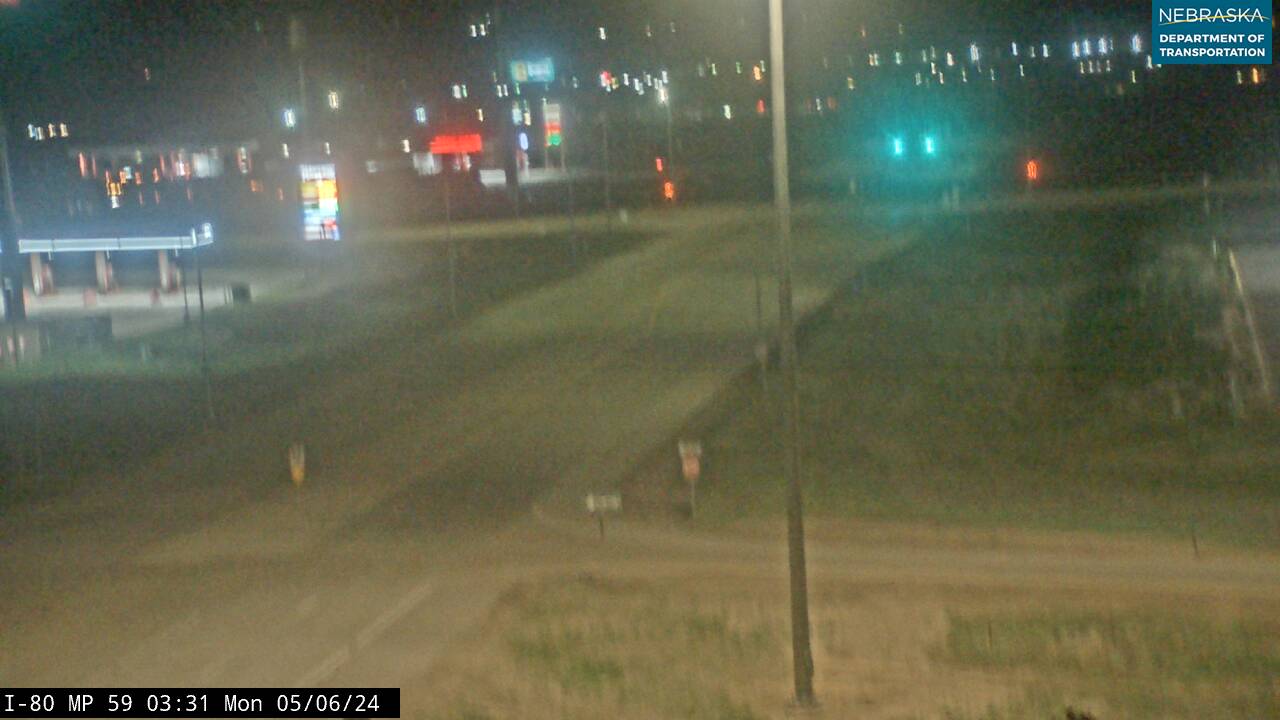
I-80: Sidney Exit: South
US 385: S of Dalton: Surface
Towns in Cheyenne County Nebraska
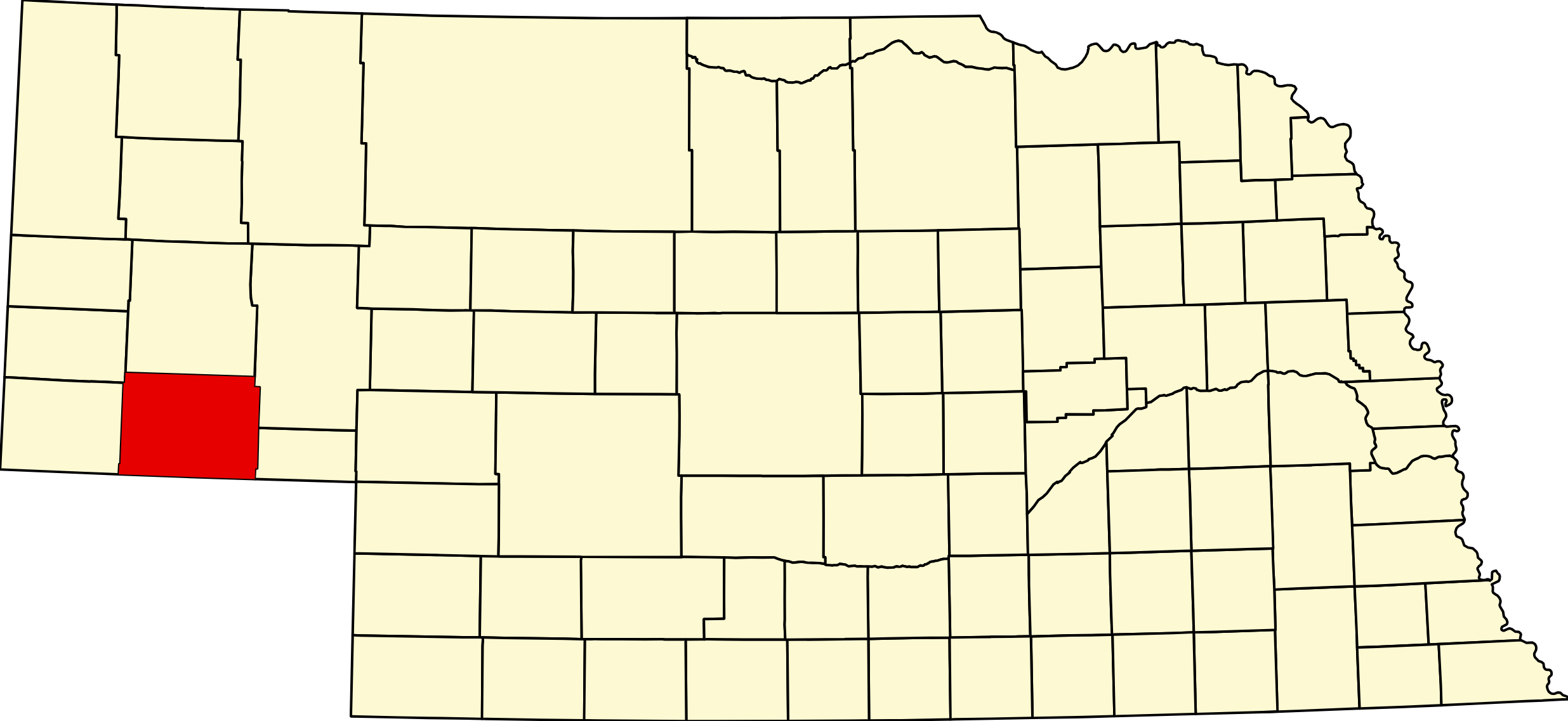
Cheyenne County, Nebraska
County Seat: Sidney
Founded: 1871
Named For: Fort Sidney, which was named after Sidney Dillon of the Union Pacific Railroad
License Plate Prefix: 39
Population: 9,468 (2020 census)
Area: 1,196 sq mi
History
Cheyenne County was established in 1871 during the era of westward expansion and railroad development. The county’s early growth centered around Fort Sidney, a military post built to protect travelers along the transcontinental routes. Sidney soon became a major stop on the Union Pacific Railroad and later a key supply point for ranchers and settlers across the High Plains.
The region’s history includes cattle drives, frontier trade, and the development of large ranching operations. In the 20th century, Sidney became home to Cabela’s, which grew into one of the nation’s largest outdoor retailers and played a major role in the county’s economy and identity.
Geography
Location: Southern Nebraska Panhandle along the Colorado border
Landscape: High Plains grasslands, rolling hills, canyons, and agricultural land
Adjacent Counties:
- Banner County (north)
- Kimball County (west)
- Deuel County (east)
- Sedgwick County, Colorado (south)
- Logan County, Colorado (southwest)
Culture & Landmarks
- Fort Sidney Museum & Post Commander’s Home – Preserved military buildings from the frontier era.
- Hillside Golf Course – Scenic course overlooking the High Plains.
- Cheyenne County Courthouse – Historic landmark in downtown Sidney.
Notable Communities
- Sidney – County seat and largest community.
- Potter – Known for the “Tin Roof Sundae” and small‑town charm.
- Lodgepole – Historic community along the Lodgepole Creek valley.
- Dalton – Rural village with strong agricultural roots.
Events & Attractions
- Cheyenne County Fair – Rodeo events, livestock shows, and community celebrations.
- Potter Days – Local festival featuring food, games, and historic traditions.
- Outdoor Recreation – Hunting, hiking, and prairie exploration across the High Plains.
- View the full Cheyenne County Events calendar →
Living in Cheyenne County
Cheyenne County offers a blend of frontier history, small‑town living, and High Plains scenery. Sidney provides essential services, schools, and businesses, while surrounding communities maintain strong agricultural traditions. Residents value the area’s open landscapes, historic character, and access to outdoor recreation.
Outdoors — Camping, RV, Hunting & Fishing
Cheyenne County is a railroad and military county rather than a recreation one, and it is worth being straight about that: 0.1 square miles of water in 1,196 square miles of land, no state park, no state recreation area, no confirmed wildlife management area and no federal land. What it has instead is Sidney, the fort, the gold-road history, and one genuinely good I-80 RV stop.
Cabela’s RV Park & Campground. 1 Angler Ln., Sidney; (308) 254-7889. 53 sites — 31 full-hookup, 7 electric-only pull-throughs and 6 tent or dry. 30 and 50 amp, water and sewer, dump station yes, restrooms and showers, free Wi-Fi. Maximum rig 70 feet — unusually generous. About $35 electric to $45 full hookup. Open year round, though water may be shut off in freezing weather, and it is first come, first served with no reservations accepted. Walking distance to the Cabela’s store, food and Walmart; expect interstate noise.
Point of Rocks Motel & RV Park, Potter, about 16 miles west of Sidney — roughly $25 to $35 a night. Site count, amperage and dump station are not published; call before relying on it.
Fishing. There is no significant public fishing water in Cheyenne County. Lodgepole Creek runs the length of the county east from Kimball past Potter, Sidney, Sunol and Lodgepole, but it is small and largely private. The City of Sidney maintains a fishing-opportunities page worth checking for stocked city ponds. For real water, Oliver Reservoir is about 25 miles west in Kimball County and Lake McConaughy about 90 miles east.
Hunting. No state wildlife management area is confirmed in Cheyenne County and there is no federal land, which makes Open Fields and Waters walk-in access the practical resource here — and enrolled tracts change annually, so use the current-year Public Access Atlas. Principal game: mule deer, white-tailed deer, pronghorn, ring-necked pheasant, sharp-tailed grouse, dove and cottontail.
Fort Sidney Museum and Post Commander’s Home. 544 Jackson St. and 1153 6th Ave.; (308) 254-2150. Free admission, open Memorial Day through Labor Day, with sixteen themed rooms. The fort was founded in 1867 as Sidney Station, became Fort Sidney in 1879 and closed in 1894. It was the supply depot at the head of the 267-mile Sidney–Black Hills Trail to Deadwood, the freight road of the gold rush — and Capt. Walter Reed served here as post surgeon from 1882 to 1884, years before the yellow-fever work that made his name. The married officers’ quarters, the Post Commander’s Home and the powder house all survive.
Cabela’s. The company was headquartered in Sidney until the 2017 Bass Pro acquisition, which cost the town roughly 2,000 jobs. The retail store is still open at 115 Cabela Drive — 85,000 square feet with a gun library, taxidermy displays, a bait shop, a boating center and the RV park above. The company was founded in 1961 over in Chappell, Deuel County, selling hand-tied fishing flies by mail.
Worth knowing about the landscape. The Sioux Ordnance Depot, built in 1942 across about 20,000 acres twelve miles northwest of Sidney, stored and issued Army ammunition until it closed in June 1967 — and that closure is why the county’s population fell 27 percent in a single decade from its 1960 peak of 14,828. The site is now a Formerly Used Defense Site under Corps of Engineers remediation for unexploded ordnance and contaminated soil and groundwater.
A note on trail copy: the Oregon and California Trail main stem did not run through Cheyenne County. The emigrant road followed the North Platte well to the north. Cheyenne County’s history is the Union Pacific of 1867 and the Sidney–Black Hills gold road — a different and equally good story.
Cheyenne County at a Glance
Cheyenne County, Nebraska — named for the Cheyenne people and organized around 1870–71, three or four years after the Union Pacific crossed. It began enormous: 7,460 square miles against 1,196 today, and six counties were carved out of it — Kimball, Banner, Scotts Bluff, Deuel, Morrill and Garden. A single vote of Cheyenne County electors on 6 November 1888 created four of them at once. County seat Sidney, which has held it from the beginning with no recorded fight; the town was established by the Union Pacific in 1867 and named for Sidney Dillon of the UP. 204 listings across 12 towns.
Getting there: Interstate 80 and US-30 run east and west across the county with the Union Pacific main line — the original 1867 transcontinental route — alongside; US-385 heads north toward Bridgeport. I-80 exits: 38 (Potter), 48, 55 and 59 (Sidney), 69 (Sunol) and 76 (Lodgepole). Mountain Time across the whole county.
For visitors: High Plains tableland on the divide between the North and South Platte, with Lodgepole Creek the one through-flowing stream. Fort Sidney, founded 1867 and closed 1894, was the supply depot at the head of the 267-mile Sidney–Black Hills Trail to Deadwood, and Walter Reed served as its post surgeon in the early 1880s; the museum and the Post Commander’s Home are free to visit. Sidney was Cabela’s headquarters until the 2017 Bass Pro acquisition — the store and its RV park are still there. Eleven National Register listings, including the Sidney Historic Business District. Gen. John L. DeWitt was born at Fort Sidney in 1880.
Cheyenne County · Panhandle · Interstate 80 Corridor · Explore Nebraska
Vehicles registered in Cheyenne County carry license plate number 39. See what every Nebraska county number means.
Cheyenne County Businesses & Places
204 listings in Cheyenne County.
Click a category to see the businesses.
Eat & Drink (24)
- Applebee's — American Restaurant, Nebraska
- Aster's Foods — Restaurant, Nebraska
- BOSS City — Restaurant, Nebraska
- Boss City Brewing Co. — Brewery & Taproom, Nebraska
- Domino's Pizza - Sidney (610 Glover Road #1) — Domino's Pizza, Nebraska
- Godfather's Pizza — Pizza Restaurant, Nebraska
- Grandma Jo's — Restaurant, Nebraska
- Highby Outdoors and Coffee Corner — Cafe / Coffee Shop, Nebraska
- McDonald's - Sidney — McDonald's, Nebraska
- Mi Ranchito — Mexican Restaurant, Nebraska
- Pahalwan Dhaba Sidney — Indian Restaurant, Nebraska
- Pizza Hut — Pizza Restaurant, Nebraska
- Potter Sundry — Breakfast & Brunch, Nebraska
- Runza Sidney — Runza, Nebraska
- Sagebrush Bar and Grill — Bar & Grill, Dalton
- Savor & Grace — Restaurant, Nebraska
- Silver Dollar Bar & Grill — Restaurant, Nebraska
- Subway – 1628 10th Avenue, Sidney — Subway, Nebraska
- Subway – 664 Glover Road, Sidney — Subway, Nebraska
- Taco Bell Sidney — Mexican Restaurant, Nebraska
- The Loading Chute Restaurant — Diner / Family Restaurant, Nebraska
- The Outlaws Cafe & Catering — Cafe / Coffee Shop, Gurley
- Three Margaritas — Mexican Restaurant, Nebraska
- Wildeflour Baking Co. — Bakery, Lodgepole
Stay (1)
- Point of Rocks Motel & RV Park — Nebraska
Outdoors & Recreation (2)
- Cabela's RV Park — Campgrounds & RV Parks, Nebraska
- Point of Rocks Motel & RV Park — Campgrounds & RV Parks, Nebraska
Places to Visit (4)
- Camp Lookout — Specialty Museums, Nebraska
- Dalton Historical Society, Prairie Schooner Museum — History & Heritage Museums, Dalton
- Fort Sidney Museum and Post Commander's Home — Specialty Museums, Nebraska
- Lodgepole Depot Museum — Specialty Museums, Lodgepole
Events & Venues (3)
- Cheyenne County Fair — County Fair, Nebraska
- Cheyenne County Fairgrounds — Fairground, Nebraska
- Sidney Oktoberfest — Local Celebration, Nebraska
Health & Emergency (3)
- Sidney Regional Medical Center — Hospital, Nebraska
- Sidney Regional Medical Center Physicians Clinic — Medical Clinic, Nebraska
- Sidney Regional Medical Center Walk In Clinic — Medical Clinic, Nebraska
Travel Services (4)
- Love's Travel Stop — Sidney — Truck Stop, Nebraska
- Sapp Brothers Travel Center — Sidney — Truck Stop, Nebraska
- Sidney Rest Area Eastbound — Rest Areas & Travel Plazas, Nebraska
- Sidney Rest Area Westbound — Rest Areas & Travel Plazas, Nebraska
Shopping & Gifts (14)
- Andrew's Trains — Gift shop, Nebraska
- Blue Fiddle Fabrics — Fabric & Quilt Shop, Nebraska
- Charlotte and Emerson Boutique — Boutique, Nebraska
- Code of Silence Camo — Western Wear & Outdoor Apparel, Nebraska
- Finneys Ace Hardware — Hardware Store, Nebraska
- French Door Antique Mall — Antique Mall, Nebraska
- Just Jelly — Specialty Foods, Gurley
- Main Street Games — Retail, Nebraska
- NexGen Outfitters — Outdoor Equipment Store, Nebraska
- Pedaler's Corner — Outdoor Equipment Store, Nebraska
- Safeway — Grocery, Nebraska
- The Depot — General Store, Nebraska
- The Homestead Market — Grocery, Dalton
- Wal-Mart - Sidney — Department store, Nebraska
Community & Faith (42)
- Amateur Radio Repeaters - Cheyenne County (via RepeaterBook.com) — Amateur Radio Repeater, Nebraska
- Assembly of God — Pentecostal, Dalton
- Barrow Pit Cemetery — Gurley — Cemeteries, Nebraska
- Boot Hill Cemetery — Sidney — Cemeteries, Nebraska
- Cabela Family Cemetery — Sidney — Cemeteries, Nebraska
- Christ Episcopal Church — Episcopal Church, Nebraska
- Church of Jesus Christ of Latter-day Saints — Sidney — Latter-day Saints / Community of Christ, Nebraska
- Czech Slovensky Cemetery — Sunol — Cemeteries, Nebraska
- Dalton Cemetery — Dalton — Cemeteries, Dalton
- Gloria Dei Lutheran Church — Lutheran Church, Lodgepole
- Grand Prairie Cemetery — Sidney — Cemeteries, Nebraska
- Greenwood Cemetery — Sidney — Cemeteries, Nebraska
- Gurley Cemetery — Gurley — Cemeteries, Gurley
- Holy Trinity Lutheran Church — Lutheran Church, Nebraska
- Immanuel Lutheran Church (Weyerts) — Lutheran Church, Lodgepole
- Kingdom Hall of Jehovah's Witnesses — Jehovah’s Witnesses Church, Nebraska
- Light Memorial Presbyterian Church — Presbyterian Church, Nebraska
- New Heart Fellowship Assembly of God — Pentecostal, Nebraska
- Pioneer Cemetery — Lodgepole — Cemeteries, Lodgepole
- Pleasant View Cemetery — Lodgepole — Cemeteries, Lodgepole
- Potter Community Cemetery — Potter — Cemeteries, Nebraska
- Prairie West Church — Lutheran Church, Nebraska
- Prairie West Church ELCA/UMC — Methodist Church, Nebraska
- Richards Cemetery — Dalton — Cemeteries, Dalton
- Saint Johns Cemetery — Potter — Cemeteries, Nebraska
- Saint Marys Catholic Cemetery — Dalton — Cemeteries, Dalton
- Saint Pauls Lutheran Church Cemetery — Gurley — Cemeteries, Nebraska
- Salem Cemetery — Gurley — Cemeteries, Gurley
- Sanders Cemetery — Potter — Cemeteries, Nebraska
- Sidney Church of Christ — Other Denomination, Nebraska
- Sidney Church of the Nazarene — Other Denomination, Nebraska
- Sidney Evangelical Free Church — Evangelical Free Church, Nebraska
- Sidney Seventh-day Adventist Church — Seventh-day Adventist Church, Nebraska
- Smyrna Cemetery — Potter — Cemeteries, Nebraska
- St. Mary Catholic Church Dalton — Catholic Church, Dalton
- St. Patrick Catholic Church Sidney — Catholic Church, Nebraska
- Swankee Cemetery — Sunol — Cemeteries, Nebraska
- Trinity Lutheran South Divide Cemetery — Sidney — Cemeteries, Nebraska
- Union Valley Cemetery — Gurley — Cemeteries, Nebraska
- United Church of the Plains — Presbyterian Church, Dalton
- West Nebraska Amateur Radio Club — Amateur Radio Club, Nebraska
- Weyerts Cemetery — Lodgepole — Cemeteries, Nebraska
Government & Resources (36)
- ACCESSNebraska Office - Sidney — Developmental & Social Services, Nebraska
- Cheyenne County Assessor — County Assessor, Nebraska
- Cheyenne County Attorney's Office — County Attorney, Nebraska
- Cheyenne County Chamber of Commerce — Chamber of Commerce, Nebraska
- Cheyenne County Clerk — County Clerk, Nebraska
- Cheyenne County Community Center — Senior Citizen Center, Nebraska
- Cheyenne County Court — County Court, Nebraska
- Cheyenne County Courthouse — Court House, Nebraska
- Cheyenne County Driver License Office — County Driver License, Nebraska
- Cheyenne County Emergency Management — Emergency Management, Nebraska
- Cheyenne County Sheriff — County Sheriff, Nebraska
- Cheyenne County Treasurer — County Treasurer, Nebraska
- Cheyenne County Veterans Service Office — Veterans Office, Nebraska
- Cheyenne County Weed Superintendent — County Weed Control, Nebraska
- Community Shepherds — Food Pantry, Dalton
- Dalton Fire Department — Fire Station, Dalton
- Dalton Post Office — Post Office, Dalton
- Dalton Public Library — Libraries, Dalton
- Dalton Village Office — City Hall, Dalton
- Gurley Village Office — City Hall, Gurley
- Lodgepole Housing Authority — Housing Authority, Lodgepole
- Lodgepole Post Office — Post Office, Lodgepole
- Nancy Fawcett Memorial Library - Lodgepole — Libraries, Lodgepole
- Nebraska Oil and Gas Conservation Commission (NOGCC) — State Agency / Office (General), Nebraska
- Potter Fire Hall — Fire Station, Nebraska
- Potter Post Office — Post Office, Nebraska
- Potter Public Library — Libraries, Nebraska
- Potter Village Office — City Hall, Nebraska
- Sidney City Hall — City Hall, Nebraska
- Sidney Fire Department — Fire Station, Nebraska
- Sidney Police Department — Police Station, Nebraska
- Sidney Post Office — Post Office, Nebraska
- Sidney Public Library — Libraries, Nebraska
- Sidney USDA Service Center — USDA Service Center (FSA/NRCS), Nebraska
- South Platte Natural Resources District — Natural Resources District (NRD), Nebraska
- Table Of Grace — Food Pantry, Nebraska
Agriculture & Farm (16)
- 21st Century Equipment - Sidney — Equipment Dealers, Nebraska
- Bear Forestry LLC — Forestry Service, Nebraska
- Bomgaars – Sidney — Bomgaars, Nebraska
- Crossroads Coop - Dalton — Farm Coop, Dalton
- Crossroads Cooperative Association - Gurley — Farm Coop, Gurley
- Fanny's Fruit Farm & Pumpkin Patch — Farm Stand, Gurley
- Frenchman Valley Coop - Sidney — Farm Coop, Nebraska
- Garry Watt - Farrier — Farrier, Nebraska
- King Farrier LLC — Farrier, Nebraska
- Kriesel Certified Seed — Seed Dealer, Gurley
- Kruse Family Honey — Honey Producer, Gurley
- Stoll Sprinkler Company — Irrigation Parts & Service, Lodgepole
- The Scoular Company – Sidney — Grain Elevator / Cooperative, Nebraska
- Titan Machinery - Sidney — Equipment Dealers, Nebraska
- Tumbleweed Stables — Boarding Stable, Nebraska
- Watchorn Seed — Seed Dealer, Dalton
Automotive (14)
- 21st Century Power Sports — Motor Sports, Nebraska
- Bryans Auto Sales And Service — Auto Repair, Nebraska
- Dans Auto & Metal — Salvage Yard, Nebraska
- Darins Auto Repair & Sales — Auto Repair, Nebraska
- Floyd's Truck Repair — Truck Repair Shop, Nebraska
- Gurley Diesel Repair — Auto Repair, Gurley
- Gurley Diesel Repair LLC — Truck Repair Shop, Gurley
- Havorka Motors — Used Car Dealer, Nebraska
- Maddox Motor Company — Franchised New Car Dealer, Nebraska
- Panther Den — Fuel & Gas Station, Lodgepole
- Q Auto — Used Car Dealer, Nebraska
- Sauder's Automotive — Auto Repair, Nebraska
- Sauders Automotive — Auto Repair, Nebraska
- Steves Auto — Used Car Dealer, Nebraska
Education (14)
- Central Elementary School — Elementary & Middle School, Nebraska
- Cheyenne County Extension — County Extension Office, Nebraska
- High Plains Agricultural Laboratory — Research & Extension Center, Nebraska
- Leyton Elementary/Junior High School — High School, Gurley
- Leyton High School — High School, Dalton
- Leyton Schools — School District (K-12 / General), Dalton
- Potter-Dix Jr/Sr High School — High School, Nebraska
- Potter-Dix Public Schools — School District (K-12 / General), Nebraska
- Sidney High School — High School, Nebraska
- Sidney Middle School — Elementary & Middle School, Nebraska
- Sidney Public Schools — School District (K-12 / General), Nebraska
- South Ward Elementary School — Elementary & Middle School, Nebraska
- West Elementary School — Elementary & Middle School, Nebraska
- Western Nebraska Community College - Sidney — Community College, Nebraska
Professional Services (9)
- Absolutely Technology — Technology, Dalton
- Adams Bank & Trust - Lodgepole — Banking, Lodgepole
- Gerald's Storage — Self-Storage Facility, Lodgepole
- Helberg & Nuss Auctions & Realty — Auction Service, Dalton
- Mountain Plains Agency – Sidney — Insurance, Nebraska
- Plummer Insurance – Sidney — Insurance, Nebraska
- Points West Community Bank - Dalton — Banking, Dalton
- Points West Community Bank - Sidney — Banking, Nebraska
- Security First Insurance – Sidney — Insurance, Nebraska
Utilities (7)
- Cheyenne Co Sid 1 — Water Utility / District, Nebraska
- City of Sidney — Water Utility / District, Nebraska
- Sidney Municipal Utilities — Electric Power Provider, Nebraska
- Village of Dalton — Water Utility / District, Dalton
- Village of Gurley — Water Utility / District, Gurley
- Village of Lodgepole — Water Utility / District, Lodgepole
- Wheat Belt Public Power District — Electric Power Provider, Nebraska
Media (5)
- KJTJ-LP 107.5 FM - Sidney — Radio Station, Nebraska
- KNEP Channel 4 - Sidney — TV Station, Nebraska
- KQSI-LP 89.5 FM - Sidney — Radio Station, Nebraska
- KSID 1340 AM and 98.7 FM - Sidney — Radio Station, Nebraska
- Sidney Sun-Telegraph — News Paper, Nebraska
Transportation (3)
- City of Sidney Transit — Public Transportation, Nebraska
- City of Sidney Transportation System — Public Transportation, Nebraska
- Sidney Municipal Airport (Lloyd W. Carr Field) — Municipal / General Aviation Airport, Nebraska
Manufacturing & Industrial (1)
- Adams Industries — General / Custom Manufacturing, Nebraska
Trades & Construction (1)
- Clever Tee's — Screen Printing Shop, Nebraska
Personal Services (1)
- MCK Photography — Photographer, Nebraska
Land & Property Services (1)
- Premier Land Management Services - Lodgepole — Land Clearing & Brush Removal, Lodgepole