
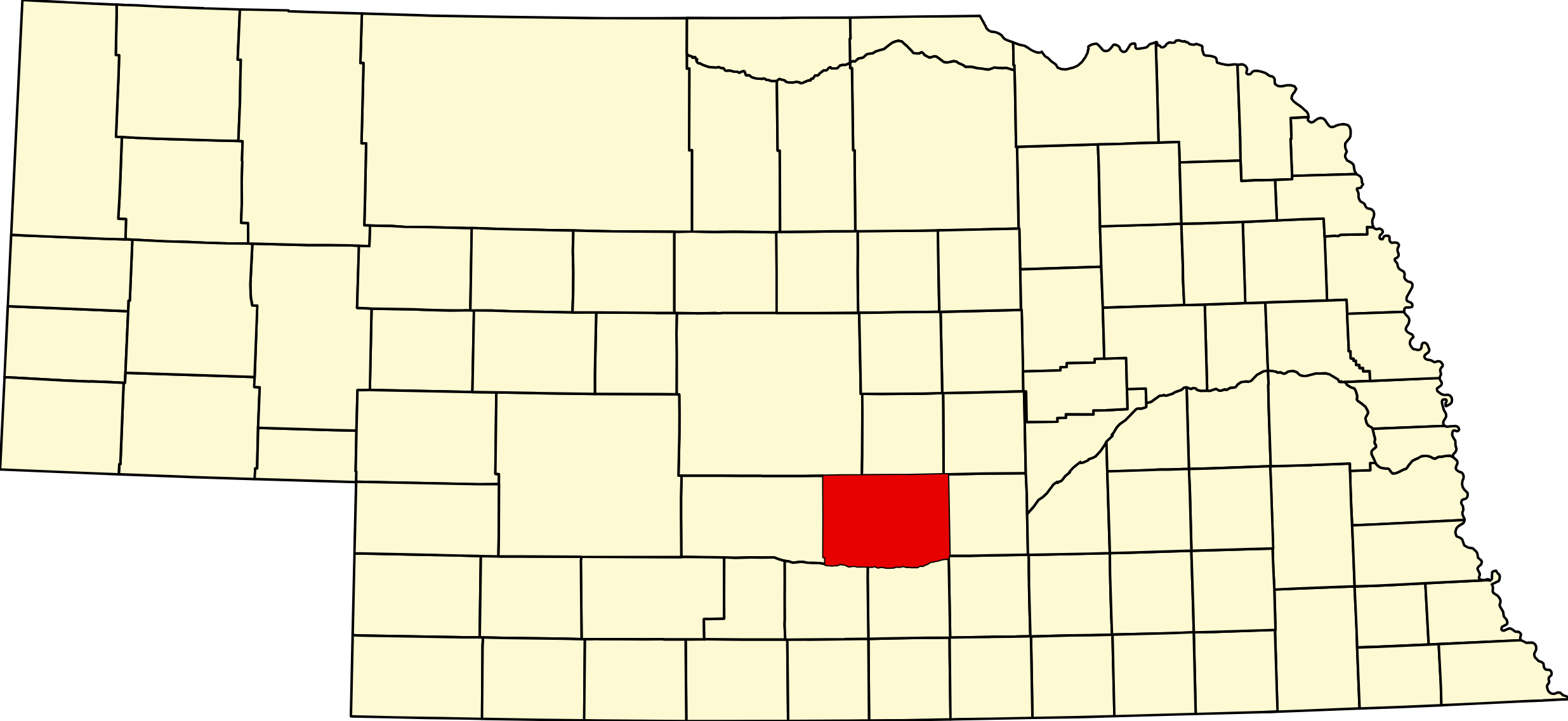
Towns in Buffalo County Nebraska
Explore Buffalo County
Buffalo County, Nebraska
County Seat: Kearney
Founded: 1864 (boundaries set 1855)
Named For: The herds of buffalo that once roamed the Platte River Valley
License Plate Prefix: 9
Population: 50,084 (2020 census)
Area: 968 sq mi
History
Buffalo County was officially organized in 1864, though its boundaries were set by the Territorial Legislature in 1855. The county was named for the vast herds of buffalo that once grazed the Platte River Valley. Fort Kearny, established in 1848, protected travelers along the Oregon Trail and other westward routes. The arrival of the Union Pacific Railroad in the 1860s spurred settlement, and Kearney Junction (later shortened to Kearney) became the county seat after a spirited contest with Gibbon. Agriculture flourished, though early settlers endured hardships such as grasshopper plagues and harsh winters. Today, Buffalo County is a thriving agricultural and educational hub, home to the University of Nebraska at Kearney.
Geography
- Location: Central Nebraska, along the Platte River
- Landscape: Fertile river valley, rolling plains, and prairie hills
- Major Highways: Interstate 80, U.S. Highways 30 & 183, Nebraska Highways 10, 40, 44
- Adjacent Counties: Sherman (N), Hall (E), Adams (SE), Kearney (S), Phelps (SW), Dawson (W), Custer (NW)
Culture & Landmarks
- Great Platte River Road Archway Monument (Kearney) – Spanning I‑80, telling the story of westward migration.
- Fort Kearny State Historical Park – Preserves the site of the 1848 military post.
- Buffalo County Courthouse – Historic courthouse in downtown Kearney.
- University of Nebraska at Kearney – A major educational and cultural institution.
Notable Communities
- Kearney – County seat, largest city, cultural and economic hub.
- Gibbon – Early county seat, historic railroad town.
- Shelton – Community with strong agricultural roots.
- Elm Creek – Historic rail stop, now a small but vibrant town.
- Ravenna – Incorporated in 1886, known for its Czech heritage and festivals.
Events & Attractions
- Sandhill Crane Migration (Platte River) – Each spring, hundreds of thousands of cranes stop along the river, drawing visitors worldwide.
- Kearney Cruise Nite – Annual summer car show and festival.
- Buffalo County Fair – Livestock shows, rodeo, concerts, and community events.
- Archway Events – Educational programs and cultural exhibits at the Archway Monument.
Living in Buffalo County
Buffalo County blends the vitality of Kearney with the charm of small towns and rural landscapes. With strong schools, a major university, cultural attractions, and access to the Platte River, it offers both opportunity and quality of life. Agriculture, education, and healthcare anchor the economy, while community pride and hospitality define daily life.
Buffalo County at a Glance
Buffalo County, Nebraska — authorised in 1855 and organized in 1870, named for the bison herds that once covered the plains. County seat Kearney, but only since 1874 — the seat sat first at Kearney Station, then at Gibbon, where an Ohio colony of eighty-five families built a $22,000 brick courthouse in 1872. The move to Kearney after the election of 13 October 1874 was theatrical: the county clerk and his deputy hauled the records out of Gibbon on a farm wagon in the night. The town’s spelling is an accident — postmen kept adding an “e” to General Kearny’s name. The county has grown at nearly every census to a peak of 50,084 in 2020, about 51,200 today, fifth most populous in Nebraska. 709 listings across 11 towns.
Getting there: Interstate 80 crosses the south with six exits — including exit 275 for the Archway — alongside US-30, US-183 through Elm Creek, NE-2 at Ravenna, and NE-10, 40, 44 and 68. Union Pacific main line, BNSF through Ravenna. Central Time.
The Archway — 3060 E 1st Street, spanning Interstate 80 three miles east of Kearney — is the county’s landmark: a great arch over the highway housing exhibits on the westward journey from pioneer times to the present, with a gift shop and food. Open Monday to Saturday 9 to 5 and Sunday noon to 5, last tour 4:30; admission around $15 for adults, $13 seniors, $7 for children 6–12, under-fives free. Check current prices before traveling. It opened in July 2000, went through bankruptcy in 2013, reopened in March 2014 after renovation, and has been managed by the City of Kearney since, turning its first operating profit in 2017.
Crane country. Rowe Sanctuary and the Iain Nicolson Audubon Center at Gibbon is one of the great places on earth to watch the sandhill crane migration — free admission, open Tuesday to Saturday year round, and daily from 17 February to 10 April, with morning and evening blind tours through March and early April. Game and Parks’ own birding-trail page wrongly places Rowe in Phelps County; it is in Buffalo.
For visitors: the University of Nebraska at Kearney, the G. W. Frank Museum on its campus, the Kearney Downtown Historic District and 23 National Register listings in all. The Kearney boom of 1888–91 put more than a million dollars, an irrigation canal, an electric streetcar, a five-story opera house and a cotton mill into the town before the agricultural depression collapsed it.
Born here: Edwin H. Sutherland, born at Gibbon in 1883, the criminologist who coined the term “white-collar crime” — a genuinely significant native who is almost never claimed. Also Dick Cavett, born in 1936: his birth certificate says Kearney, the nearest hospital, while his family lived at Gibbon — the county is certain, the town is not.
Buffalo County · Central · Interstate 80 Corridor · Explore Nebraska
Vehicles registered in Buffalo County carry license plate number 9. See what every Nebraska county number means.
Buffalo County Businesses & Places
710 listings in Buffalo County.
Click a category to see the businesses.
Eat & Drink (80)
- Applebee's — American Restaurant, Kearney
- Aunt Lu's Cafe — Diner / Family Restaurant, Nebraska
- Buffalo Brew Coffee Shop — Cafe / Coffee Shop, Elm Creek
- Buffalo Wild Wings — American Restaurant, Kearney
- Burger King - Kearney (110 W 56th St) — Burger King, Kearney
- Burger King Kearney — Burger King, Kearney
- Carlos O'Kelly's — Mexican Restaurant, Kearney
- Central Nebraska Catfish — American Restaurant, Nebraska
- Chester's Kearney — Greek Restaurant, Kearney
- Christies Kitchen — Bakery, Nebraska
- Coppermill Steakhouse — Steakhouse, Kearney
- Cunnigham's Journal On The Lake — American Restaurant, Kearney
- Cunningham's Journal — Bar & Grill, Kearney
- Dairy Queen Kearney — Dairy Queen, Kearney
- Domino's Pizza - Kearney (3702 2nd Avenue) — Domino's Pizza, Kearney
- Domino's Pizza — Kearney — Pizza Restaurant, Kearney
- Dona Mary Restaurant — Mexican Restaurant, Gibbon
- Dropzone — Restaurant, Kearney
- El Primo Mexican Restaurant — Mexican Restaurant, Nebraska
- El Putreru — Mexican Restaurant, Kearney
- Farmhouse Grill — Ravenna — American Restaurant, Nebraska
- Flippin Sweet Burger Joint — American Restaurant, Kearney
- Flippin' Sweet — Restaurant, Kearney
- George Spencer Tasting Room — Winery & Vineyard, Gibbon
- Godfather's Pizza — Pizza Restaurant, Kearney
- Good Evans Breakfast & Lunch — Breakfast & Brunch, Kearney
- Good Evans Kearney — Breakfast & Brunch, Kearney
- Gourmet House Japanese Cuisine — Japanese Restaurant, Kearney
- Hardee's Kearney — Hardee's, Kearney
- Hunan Chinese Restaurant — Chinese Restaurant, Kearney
- Jimmy John's - Kearney (221 11th Ave Unit D) — Jimmy John's, Kearney
- Jimmy John's - Kearney (2524 First Ave Unit 1) — Jimmy John's, Kearney
- Jimmy John's - Kearney (5710 1st Ave) — Jimmy John's, Kearney
- Juice Stop — Restaurant, Kearney
- Kebob Republic — Mediterranean Restaurant, Kearney
- KFC Kearney — KFC, Kearney
- King's Buffet — Chinese Restaurant, Kearney
- Kinkaider Brewing Co - Kearney — Brewery & Taproom, Kearney
- Kitt's Kitchen and Coffee — Cafe / Coffee Shop, Kearney
- Kyoto — Thai Restaurant, Kearney
- Little Mexico — Mexican Restaurant, Kearney
- McDonald's - Kearney (5605 1st Ave) — McDonald's, Kearney
- McDonald's - Kearney (621 E 25th St) — McDonald's, Kearney
- McDonald's - Kearney (715 2nd Ave) — McDonald's, Kearney
- Nebraska Ale Works — American Restaurant, Kearney
- New China Express — Chinese Restaurant, Kearney
- Nick's Gyros Kearney — Greek Restaurant, Kearney
- Odessa Bull and Barrel Bar — Bar & Grill, Nebraska
- Pasta Madre — Italian Restaurant, Kearney
- Perkins — American Restaurant, Kearney
- Pizza Hut — Pizza Restaurant, Kearney
- Pizza Hut Kearney — Pizza Hut, Kearney
- Pizza Ranch — Pizza Restaurant, Kearney
- Red Lobster — Restaurant, Kearney
- Red Lobster Kearney — Seafood Restaurant, Kearney
- Runza Kearney Interstate — Runza, Kearney
- Runza Kearney West 39th — Runza, Kearney
- Skeeter Barns — Restaurant, Kearney
- Sozo American Cuisine — American Restaurant, Kearney
- Stockman's Bar & Grill — Amherst — Bar & Grill, Amherst
Stay (15)
- Best Western Plus Mid Nebraska Inn & Suites — Hotel, Kearney
- Candlewood Suites - Kearney — Hotel, Kearney
- Comfort Inn - Kearney — Hotel, Kearney
- Country Inn & Suites - Kearney — Hotel, Kearney
- Crowne Plaza Kearney — Hotel, Kearney
- Econolodge Inn & Suites - Kearney — Motel, Kearney
- Fairfield Inn & Suites Kearney — Hotel, Kearney
- Hampton Inn - Kearney — Hotel, Kearney
- Holiday Inn Express - Kearney — Hotel, Kearney
- Holiday Inn Hotel and Convention Center - Kearney — Hotel, Kearney
- La Quinta Inn & Suites - Kearney — Hotel, Kearney
- Microtel Inn & Suites - Kearney — Hotel, Kearney
- Tru by Hilton / Home2 Suites Kearney — Hotel, Kearney
- Western Motel — Motel, Kearney
- Younes Conference Center South — Hotel, Kearney
Outdoors & Recreation (14)
- Bassway Strip WMA — Public Hunting Areas & WMAs, Nebraska
- Blue Hole WMA — Public Hunting Areas & WMAs, Nebraska
- Buffalo County Lake — Campgrounds & RV Parks, Nebraska
- Bufflehead WMA — Public Hunting Areas & WMAs, Nebraska
- Campgrounds, War Axe State Recreation Area — Campgrounds & RV Parks, Nebraska
- Coot Shallows WMA — Public Hunting Areas & WMAs, Nebraska
- East Odessa WMA — Public Hunting Areas & WMAs, Nebraska
- Fort Kearny State Recreation Area — Campgrounds & RV Parks, Kearney
- Kea Lake WMA — Public Hunting Areas & WMAs, Nebraska
- Kea West WMA — Public Hunting Areas & WMAs, Nebraska
- Kearney RV Park & Campground — Campgrounds & RV Parks, Kearney
- Sandy Channel State Recreation Area — Campgrounds & RV Parks, Elm Creek
- The 4 Seasons RV Park — Campgrounds & RV Parks, Elm Creek
- Union Pacific State Recreation Area — Campgrounds & RV Parks, Kearney
Places to Visit (18)
- Chevyland U.S.A. Auto & Cycle Museum — Specialty Museums, Elm Creek
- Fort Kearney Museum — Specialty Museums, Kearney
- G.W. Frank Museum of History and Culture — History & Heritage Museums, Kearney
- Gibbon Heritage Center — History & Heritage Museums, Gibbon
- Historical Society of Ravenna — History & Heritage Museums, Nebraska
- House of Joy Glassworks — Art Gallery, Nebraska
- Kearney Area Children's Museum — Children's Museums, Kearney
- Museum of Nebraska Art — Specialty Museums, Kearney
- Nebraska Firefighters Museum & Education Center — Specialty Museums, Kearney
- Sandy Channel State Recreation Area — State Recreation Areas, Elm Creek
- Soldiers Free Homestead Colony — History & Heritage Museums, Gibbon
- The American Automobile Experience — Specialty Museums, Kearney
- The Archway — Specialty Museums, Kearney
- Trails and Rails Museum — Specialty Museums, Kearney
- Union Pacific State Recreation Area — State Recreation Areas, Kearney
- War Axe State Recreation Area — RV Camping, Nebraska
- Windmill State Recreation Area — RV Camping, Gibbon
- Wood River Valley Historical Society & Shelton Historical Interpretive Center — History & Heritage Museums, Nebraska
Events & Venues (5)
- Anytime Fitness — Kearney — Gym, Kearney
- Buffalo County Fair — County Fair, Kearney
- Buffalo County Fairgrounds — Fairground, Kearney
- Comfy Bowl — Bowling Alley, Gibbon
- Planet Fitness — Kearney — Gym, Kearney
Health & Emergency (64)
- Active Family Chiropractic & Acupuncture — Chiropractor, Kearney
- Brad Rodgers MD Family Practice — Medical Clinic, Kearney
- Branda Adams Massage — Massage, Nebraska
- Cancer Partners of Nebraska at Kearney Cancer Center — Medical Clinic, Kearney
- Central Nebraska Spinal Surgery Center, P.C. — Medical Clinic, Kearney
- CHI Health Good Samaritan — Hospital, Kearney
- Childrens Physicians, Kearney — Medical Clinic, Kearney
- Click Family Healthcare — Medical Clinic, Kearney
- Contemporary Obstetrics & Gynecology PC — Medical Clinic, Kearney
- Cottonwood Veterinary Clinic — Mixed / General Practice, Kearney
- DeLaet Dental — Dentist & Dental Office, Kearney
- Dermatology PC - Kearney — Medical Clinic, Kearney
- Dynamic Spine and Sports Performance — Chiropractor, Kearney
- Elite Chiropractic & Physical Therapy, LLC — Chiropractor, Kearney
- Elite Health and Wellness — Chiropractor, Kearney
- Elm Creek Dental — Dentist & Dental Office, Elm Creek
- Exact Eye Care — Optometrist, Kearney
- Family Physical Therapy - Ravenna — Physical Therapy, Nebraska
- Family Physical Therapy & Chiropractic Services — Physical Therapy, Kearney
- Family Practice Associates PC — Medical Clinic, Kearney
- First Care Medical — Urgent Care — Medical Clinic, Kearney
- Florang Chiropractic and Wellness — Chiropractor, Kearney
- Focus On Kids Optometry — Medical Clinic, Kearney
- Gibbon Family Dentistry P.C. — Dentist & Dental Office, Gibbon
- GO Childrens Rehab Center — Physical Therapy, Kearney
- Go Physical Therapy - Kearney — Physical Therapy, Kearney
- Haeberle's Grand Central Pharmacy — Pharmacy, Kearney
- Heartland Chiropractic Center — Chiropractor, Kearney
- Heartland Health Center - Ravenna Medical — Medical Clinic, Nebraska
- HelpCare Clinic — Medical Clinic, Kearney
- Hilltop Pet Clinic — Small Animal / Companion Animal, Kearney
- Kearney Dental Clinic — Dentist & Dental Office, Kearney
- Kearney Eye Institute — Optometrist, Kearney
- Kearney Regional Medical Center — Medical Clinic, Kearney
- Kowalski Chiropractic and Health Performance - Ravenna — Chiropractor, Nebraska
- Lamberts Family Pharmacy — Pharmacy, Gibbon
- Lyon Family Dentistry — Dentist & Dental Office, Kearney
- Miracle-Ear Hearing Aid Center Kearney - Nebraska — Hearing Aids, Kearney
- Nebraska Kinesiology Center — Chiropractor, Kearney
- Northgate Veterinary Clinic — Mixed / General Practice, Kearney
- Optical Gallery Family Eye Care — Optometrist, Kearney
- Overland Trails Dialysis/Renal Services — Medical Clinic, Kearney
- Petersen Chiropractic Center — Chiropractor, Kearney
- Platte Valley Chiropractic & Functional Medicine — Chiropractor, Kearney
- Platte Valley Dental Clinic — Dentist & Dental Office, Kearney
- Platte Valley Medical Clinic — Medical Clinic, Kearney
- Premier Eye Care — Optometrist, Kearney
- Ravenna Dental Care — Dentist & Dental Office, Nebraska
- Regenirex LLC — Medical Clinic, Kearney
- Riverside Animal Hospital — Mixed / General Practice, Kearney
- Rural Roots Yoga — Health & Wellness, Nebraska
- Sage Creek Integrative Health — Medical Clinic, Kearney
- Sandhills Oral & Facial Surgery — Medical Clinic, Kearney
- Schrock Medical Clinic — Chiropractor, Kearney
- Shelton Dental Clinic — Dentist & Dental Office, Nebraska
- Svandas Healthmart Pharmacy — Pharmacy, Nebraska
- Tooth Fairy Pediatric Dental Clinic — Dentist & Dental Office, Kearney
- Tri Valley Veterinary Clinic — Mixed / General Practice, Miller
- U Med Spa, A Wellness Collective — Medical Clinic, Kearney
- Valley Medical Management Services — Medical Clinic, Kearney
Travel Services (5)
- Kearney Rest Area Eastbound — Rest Areas & Travel Plazas, Kearney
- Kearney Rest Area Westbound — Rest Areas & Travel Plazas, Kearney
- Kearney Towing & Repair — Towing Services, Kearney
- ONE9 Travel Center — Elm Creek — Truck Stop, Elm Creek
- Visit Kearney (Buffalo County Visitors Bureau) — Kearney
Shopping & Gifts (30)
- Abarrotes Dona Mary — International/Ethnic Market, Gibbon
- Adams Corner Market — Grocery, Gibbon
- Antique Glass and More — Antique Mall, Nebraska
- Blackbird Store — Retail, Nebraska
- Boogaarts Market — Grocery, Kearney
- Creative Art Forms — Gift shop, Gibbon
- Divas Floral Shop and Botique — Florist, Kearney
- Dollar General - Ravenna — Retail, Nebraska
- Dollar General — Elm Creek — General Store, Elm Creek
- Family Fresh Market - Kearney — Grocery, Kearney
- Foster's Family Foods — Grocery, Elm Creek
- Grand Central Apple Market — Grocery, Kearney
- Hy-Vee — Kearney — Grocery, Kearney
- Junk Creations — Retail, Nebraska
- Kearney Ace Hardware & Garden Ctr — Hardware Store, Kearney
- Kohl's — Kearney — Department store, Kearney
- Masters True Value — Hardware Store, Kearney
- MNO Hometown Market and Catering — Grocery, Nebraska
- Nutt Family Jams and Jellies — Specialty Foods, Nebraska
- Odessa Furniture — Furniture, Nebraska
- Open Air Nursery — Nursery & Garden Center, Nebraska
- Patch of Heaven — Florist, Nebraska
- Phillips Market — Grocery, Nebraska
- Ravenna Super Foods — Grocery, Nebraska
- Sweetwater Hemp Company — CBD & Hemp Products, Nebraska
- Target — Kearney — Department store, Kearney
- The Quilter's Cottage — Fabric & Quilt Shop, Kearney
- Walmart Supercenter — Kearney — Department store, Kearney
- Wilke True Value — Hardware Store, Nebraska
- Z-Mann Secondhand Store — Thrift & Consignment Store, Nebraska
Community & Faith (95)
- Amateur Radio Repeaters - Buffalo County (via RepeaterBook.com) — Amateur Radio Repeater, Nebraska
- Amherst, NE UMC — Methodist Church, Amherst
- Armada Cemetery — Miller — Cemeteries, Miller
- Bethlehem Lutheran Church — Lutheran Church, Nebraska
- Black Hill Creek Cemetery — Miller — Cemeteries, Miller
- Buffalo County ARES — Amateur Radio Club, Kearney
- Burgess Cemetery — Ravenna — Cemeteries, Nebraska
- Church of Christ – Kearney — Other Denomination, Kearney
- Church of Jesus Christ of Latter-day Saints — Kearney — Latter-day Saints / Community of Christ, Kearney
- Czechoslovansky Cemetery — Ravenna — Cemeteries, Nebraska
- Divide Pioneer Cemetery — Elm Creek — Cemeteries, Elm Creek
- Dove Hill Cemetery — Kearney — Cemeteries, Kearney
- Dow Cemetery — Riverdale — Cemeteries, Nebraska
- Elm Creek Catholic Cemetery — Elm Creek — Cemeteries, Elm Creek
- Elm Creek Cemetery — Elm Creek — Cemeteries, Elm Creek
- Elm Creek UMC — Methodist Church, Elm Creek
- Fairmont Pioneer Cemetery — Ravenna — Cemeteries, Nebraska
- Fairview Cemetery — Elm Creek — Cemeteries, Elm Creek
- Family of Christ Lutheran Church — Lutheran Church, Kearney
- First Baptist Church - Kearney — Baptist Church, Kearney
- First Lutheran Church — Kearney — Lutheran Church, Kearney
- First United Methodist Church — Kearney — Methodist Church, Kearney
- Fort Kearney Post Cemetery — Kearney — Cemeteries, Kearney
- Gibbon American Legion — American Legion, Gibbon
- Gibbon Baptist Church — Baptist Church, Gibbon
- Gibbon Bethel UMC — Methodist Church, Gibbon
- Gibbon Faith UMC — Methodist Church, Gibbon
- Grace Fellowship — Non-Denominational Church, Kearney
- Grace Lutheran Church (Sumner) — Lutheran Church, Miller
- Grace Lutheran Church LC-MS — Lutheran Church, Nebraska
- Haven's Chapel UMC — Methodist Church, Kearney
- Highland Cemetery — Ravenna — Cemeteries, Nebraska
- Highland Park Cemetery — Ravenna — Cemeteries, Nebraska
- Holy Cross Lutheran Church — Lutheran Church, Kearney
- Hope Evangelical Free Church — Evangelical Free Church, Kearney
- Iglesia Vino Nuevo Asamblea de Dios — Pentecostal, Kearney
- Immaculate Conception Elm Creek — Catholic Church, Elm Creek
- Immanuel Lutheran Cemetery — Amherst — Cemeteries, Amherst
- Kearney Cemetery — Kearney — Cemeteries, Kearney
- Kearney Church of Christ — Other Denomination, Kearney
- Kearney Church of the Nazarene — Other Denomination, Kearney
- Kearney EFC - Ministerio Bilingue — Evangelical Free Church, Kearney
- Kearney Evangelical Free Church — Evangelical Free Church, Kearney
- Kearney Faith UMC — Methodist Church, Kearney
- Kearney Seventh-day Adventist Church — Seventh-day Adventist Church, Kearney
- Kearney, First Presbyterian Church — Presbyterian Church, Kearney
- Kingdom Hall of Jehovah's Witnesses — Jehovah’s Witnesses Church, Kearney
- Lighthouse Church — Non-Denominational Church, Kearney
- Lutheran Cemetery — Riverdale — Cemeteries, Nebraska
- Majors Cemetery — Pleasanton — Cemeteries, Nebraska
- Midway Amateur Radio Club — Amateur Radio Club, Kearney
- Miller, NE UMC — Methodist Church, Miller
- Mount Calvary Cemetery — Ravenna — Cemeteries, Nebraska
- New Life Assembly — Pentecostal, Kearney
- Odessa Cemetery — Odessa — Cemeteries, Nebraska
- Old Zion Lutheran Cemetery — Shelton — Cemeteries, Nebraska
- Our Lady of Lourdes Catholic Church Ravenna — Catholic Church, Nebraska
- Our Lady of Lourdes Cemetery — Ravenna — Cemeteries, Nebraska
- Peake Lutheran Cemetery — Ravenna — Cemeteries, Nebraska
- Pleasant Ridge Cemetery — Kearney — Cemeteries, Kearney
Professional Services (91)
- Adam Marshall Land & Auction, LLC — Real Estate Auction, Kearney
- Affiliated Brokers Insurance – Kearney — Insurance, Kearney
- AFLAC Office - Kearney — Insurance, Kearney
- Arends Agency, Shelter Insurance — Insurance, Kearney
- Avenue N Storage - Kearney Avenue N — Self-Storage Facility, Kearney
- Barry L. Hemmerling, Attorney — Attorney, Gibbon
- BMO - Kearney — Banking, Kearney
- Brett McIntosh - State Farm Agency — Insurance, Kearney
- Bruner Frank Schumacher Husak Simpson, LLC — Attorney, Kearney
- Bruning Bank - Kearney — Banking, Kearney
- Buffalo County Farm Bureau — Insurance, Kearney
- Century 21 Midlands — Real Estate, Kearney
- Century 21 Midlands Property Management — Real Estate, Kearney
- Codner Realty Inc — Real Estate Agency, Gibbon
- Coldwell Banker Town & Country Realty of Kearney — Coldwell Banker, Kearney
- Community Choice Insurance LLC - Heather Chacon — Insurance, Kearney
- Cornerstone Bank - Shelton — Banking, Nebraska
- Custer Federal State Bank - Kearney — Banking, Kearney
- Dana F. Cole & Company - Kearney — Accountant, Kearney
- DT Development, Inc. — Real Estate Agency, Kearney
- Exchange Bank — Banking, Kearney
- Exchange Bank - Gibbon — Banking, Gibbon
- EXP Realty, LLC - Kearney — Real Estate, Kearney
- Farm Bureau Financial Services - Ravenna — Insurance, Nebraska
- Farm Bureau Insurance-Peters — Insurance, Kearney
- Farm Bureau Insurance-Snyder — Insurance, Kearney
- Farmers & Merchants Bank — Banking, Kearney
- Farmers Union Midwest Agency — Insurance, Kearney
- First Interstate Bank - Kearney — Banking, Kearney
- FirsTier Bank – Kearney — Banking, Kearney
- Firstier Bank — Elm Creek — Banking, Elm Creek
- Five Points Bank — Kearney — Banking, Kearney
- FNBO - Kearney — Banking, Kearney
- Gibbon Insurance Agency — Insurance, Gibbon
- H and R Block - Ravenna — Tax Preparation Service, Nebraska
- Heartland Bank - Kearney — Banking, Kearney
- Heartland Bank - Riverdale — Banking, Nebraska
- Heritage Bank - Kearney — Banking, Kearney
- HiTech Inc — Technology, Gibbon
- Home Real Estate of Kearney LLC — HOME Real Estate, Kearney
- Insurance Connection - Gibbon — Insurance, Gibbon
- Insurance Connection – Kearney — Insurance, Kearney
- Integrity Storage - Kearney Avenue O — Self-Storage Facility, Kearney
- Jacobsen, Orr, Lindstrom & Holbrook, PC LLO — Attorney, Kearney
- Jones Group Insurance — Insurance, Kearney
- Kearney Downtown Storage - Kearney 1st Ave — Self-Storage Facility, Kearney
- Kearney Drive-In Self Storage - Kearney N Ave — Self-Storage Facility, Kearney
- Kearney Realty — Real Estate Agency, Kearney
- Klein, Brewster, Brandt & Messersmith — Attorney, Kearney
- Laurie Johnson, LLC — Accountant, Nebraska
- Lock 'N Store - Kearney G Ave — Self-Storage Facility, Kearney
- Lock 'N Store - Kearney H Ave — Self-Storage Facility, Kearney
- Lock 'N Store - Kearney North Railroad St — Self-Storage Facility, Kearney
- LP Advertising and Promotion — Marketing, Design & Photography Services, Gibbon
- Mark Porter Insurance Agency - Farmers Insurance — Insurance, Kearney
- Marsh McLennan Agency - Kearney — Insurance, Kearney
- Mountain Plains Agency — Insurance, Kearney
- Nebraska Title Company - Kearney — Kearney
- NebraskaLand Bank - Kearney — Banking, Kearney
- NP Realty — Real Estate Agency, Kearney
Automotive (69)
- #2 Hauling Truck Sales & Service — Truck Dealership, Kearney
- Affordable Transmissions — Auto Repair, Kearney
- American Auto Exchange — Used Car Dealer, Kearney
- Amherst Motor Co — Car Dealership, Amherst
- Auto Central Kearney — Used Car Dealer, Kearney
- Awesome Autos — Used Car Dealer, Amherst
- BBs Parts and Service — Auto Parts, Nebraska
- Bear Frame & Alignment Inc — Auto Body Repair, Kearney
- Ben Pavelka Truck Sales Kearney — Truck Dealership, Kearney
- Big O Tires — Kearney — Tire Shop, Kearney
- Bridge Street Auto Kearney — Used Car Dealer, Kearney
- Buffalo County Auto Sales — Used Car Dealer, Kearney
- Casey's General Store - Kearney (East 25th Street) — Casey's, Kearney
- Casey's General Store - Kearney (East 39th Street) — Casey's, Kearney
- Casey's General Store - Kearney (st Avenue PL) — Casey's, Kearney
- Casey's General Store - Kearney (West 24th Street) — Casey's, Kearney
- Caseys General Store - Gibbon — Casey's, Gibbon
- Central Nebraska ATV Repair — Auto Repair, Nebraska
- Clevenger C-Store and Tire Center — Fuel & Gas Station, Gibbon
- Clevenger's Tire Shop — Auto Repair, Gibbon
- Coach Masters — Used Car Dealer, Kearney
- Complete Auto Repair and Sales - Ravenna — Auto Repair, Nebraska
- Complete Automotive Kearney — Auto Repair, Kearney
- Conrads Auto Center — Used Car Dealer, Kearney
- Copper Penny Convenience — Fuel & Gas Station, Nebraska
- Cummins Sales and Service Kearney — Truck Parts Supplier, Kearney
- Daves Auto Sales — Used Car Dealer, Kearney
- Garrett Tires & Treads Kearney — Auto Repair, Kearney
- Gibbon Bodies by Bond — Auto Body Repair, Gibbon
- Graham Tire Co - Kearney — Tire Shop, Kearney
- Greg's Auto Repair LLC — Auto Repair, Kearney
- Heartland Transmission Service — Auto Repair, Kearney
- K and B Auto Parts — Auto Parts, Nebraska
- Kearney Ag & Auto Repair — Auto Repair, Kearney
- Kearney Powersports — Motor Sports, Kearney
- Kearney Tire & Auto Service — Tire Shop, Kearney
- Kearney Towing & Repair — Auto Repair, Kearney
- Kellys Sales & Ag Service — Auto Repair, Elm Creek
- Kwik Stop 22 - Gibbon — Kwik Stop, Gibbon
- Lanny Carlson Motors — Used Car Dealer, Kearney
- Larrys Service Center & Auto Sales — Auto Repair, Elm Creek
- Lichtys Auto City — Used Car Dealer, Kearney
- Mango Motor Sports Auto Sales — Motor Sports, Kearney
- MC Automotive — Auto Repair, Nebraska
- Midway Chevrolet Buick GMC — Franchised New Car Dealer, Kearney
- Midway Chrysler Dodge Jeep — Franchised New Car Dealer, Kearney
- Mollees Motor Works — Used Car Dealer, Kearney
- Nichols Repair Inc — Auto Repair, Nebraska
- Odessa Auto Sales — Car Dealership, Nebraska
- Platte Valley Auto Mart — Kearney — Franchised New Car Dealer, Kearney
- Precision Import Repair Inc — Auto Repair, Kearney
- Pump & Pantry - Elm Creek — Pump & Pantry, Elm Creek
- Pump & Pantry - Kearney (2nd Ave) — Pump & Pantry, Kearney
- Pump & Pantry - Kearney (East 56th Street) — Pump & Pantry, Kearney
- Rayburn Auto Sales — Used Car Dealer, Gibbon
- Riskys Off Road — Motor Sports, Elm Creek
- Riverdale Auto Repair — Auto Repair, Nebraska
- Riverstop Convenience Plaza — Fuel & Gas Station, Nebraska
- Roper's Radiator Service — Radiator Shop, Kearney
- Ryans Used Cars — Used Car Dealer, Nebraska
Government & Resources (63)
- ACCESSNebraska Office - Kearney — Developmental & Social Services, Kearney
- Amherst Post Office — Post Office, Amherst
- Amherst Village Office — City Hall, Amherst
- Buffalo County Assessor — County Assessor, Kearney
- Buffalo County Attorney's Office — County Attorney, Kearney
- Buffalo County Clerk — County Clerk, Kearney
- Buffalo County Court — County Court, Kearney
- Buffalo County Courthouse — Court House, Kearney
- Buffalo County Driver License Office — County Driver License, Kearney
- Buffalo County Election Commissioner — County Clerk, Kearney
- Buffalo County Emergency Management — Emergency Management, Kearney
- Buffalo County Sheriff — County Sheriff, Kearney
- Buffalo County Treasurer — County Treasurer, Kearney
- Buffalo County Veterans Service Office — Veterans Office, Kearney
- Buffalo County Weed Superintendent — County Weed Control, Kearney
- Community Making Cindness Pantry — Food Pantry, Elm Creek
- Crossroads Mission Ave - Kearney — Food Pantry, Kearney
- East Lawn Food Pantry — Food Pantry, Kearney
- Elm Creek Chamber of Commerce — Chamber of Commerce, Elm Creek
- Elm Creek Public Library — Libraries, Elm Creek
- Elm Creek Village Office — City Hall, Elm Creek
- Gibbon Chamber of Commerce — Chamber of Commerce, Gibbon
- Gibbon Fire Hall — Fire Station, Gibbon
- Gibbon Free Pantry — Food Pantry, Gibbon
- Gibbon Housing Agency — Housing Authority, Gibbon
- Gibbon Post Office — Post Office, Gibbon
- Gibbon Public Library — Libraries, Gibbon
- Helping Hands - Kearney — Food Pantry, Kearney
- Kearney Area Chamber of Commerce — Chamber of Commerce, Kearney
- Kearney City Hall — City Hall, Kearney
- Kearney Fire Department — Fire Station, Kearney
- Kearney Housing Agency — Housing Authority, Kearney
- Kearney Jubilee Center — Food Pantry, Kearney
- Kearney Police Department — Police Station, Kearney
- Kearney Post Office — Post Office, Kearney
- Kearney Public Library — Libraries, Kearney
- Kearney USDA Service Center — USDA Service Center (FSA/NRCS), Kearney
- Miller Post Office — Post Office, Miller
- Miller Village Office — City Hall, Miller
- Nebraska Game and Parks Commission - Kearney South-Central District Office — Game and Parks Commission Office, Kearney
- Odessa Post Office — Post Office, Nebraska
- Peterson Senior Activity Center — Senior Citizen Center, Kearney
- Pleasanton Post Office — Post Office, Nebraska
- Pleasanton Village Office — City Hall, Nebraska
- Ravenna Chamber of Commerce — Chamber of Commerce, Nebraska
- Ravenna City Hall — City Hall, Nebraska
- Ravenna Housing Authority — Housing Authority, Nebraska
- Ravenna Police Department — Police Station, Nebraska
- Ravenna Post Office — Post Office, Nebraska
- Ravenna Public Library — Libraries, Nebraska
- Ravenna Senior Center — Senior Citizen Center, Nebraska
- Riverdale Fire Department — Fire Station, Nebraska
- Riverdale Post Office — Post Office, Nebraska
- Riverdale Village Office — City Hall, Nebraska
- Salvation Army (SA) Kearney — Food Pantry, Kearney
- Shelton Fire Hall — Fire Station, Nebraska
- Shelton Housing Authority — Housing Authority, Nebraska
- Shelton Police Department — Police Station, Nebraska
- Shelton Post Office — Post Office, Nebraska
- Shelton Public Library — Libraries, Nebraska
Education (38)
- Amherst Elementary School — Elementary & Middle School, Amherst
- Amherst High School — High School, Amherst
- Amherst Public Schools — School District (K-12 / General), Amherst
- Bryant Elementary School — Elementary & Middle School, Kearney
- Buffalo County Extension — County Extension Office, Kearney
- Buffalo Hills Elementary — Elementary & Middle School, Kearney
- Catholic High School of Kearney — Faith-Based School, Kearney
- Central Elementary School — Elementary & Middle School, Kearney
- Cottonwood Elementary School — Elementary & Middle School, Kearney
- Educational Service Unit 10 — Educational Service Unit, Kearney
- Elm Creek Elementary School — Elementary & Middle School, Elm Creek
- Elm Creek High School — High School, Elm Creek
- Elm Creek Public Schools — School District (K-12 / General), Elm Creek
- Emerson Elementary School — Elementary & Middle School, Kearney
- Gibbon Elementary School — Elementary & Middle School, Gibbon
- Gibbon High School — High School, Gibbon
- Gibbon Public Schools — School District (K-12 / General), Gibbon
- Hanny Arram Center — Elementary & Middle School, Kearney
- Horizon Middle School — Elementary & Middle School, Kearney
- Kearney Education Center — Elementary & Middle School, Kearney
- Kearney High School — High School, Kearney
- Kearney Public Schools — School District (K-12 / General), Kearney
- Kenwood Elementary School — Elementary & Middle School, Kearney
- Meadowlark Elementary School — Elementary & Middle School, Kearney
- Northeast Elementary School — Elementary & Middle School, Kearney
- Park Elementary School — Elementary & Middle School, Kearney
- Pleasanton Elementary School — Elementary & Middle School, Nebraska
- Pleasanton High School — High School, Nebraska
- Pleasanton Public Schools — School District (K-12 / General), Nebraska
- Ravenna Elementary School — Elementary & Middle School, Nebraska
- Ravenna Public Schools — School District (K-12 / General), Nebraska
- Ravenna Senior High — High School, Nebraska
- Shelton Elementary School — Elementary & Middle School, Nebraska
- Shelton High School — High School, Nebraska
- Shelton Public Schools — School District (K-12 / General), Nebraska
- Sunrise Middle School — Elementary & Middle School, Kearney
- University of Nebraska at Kearney — 4-Year College / University, Kearney
- Windy Hills Elementary School — Elementary & Middle School, Kearney
Agriculture & Farm (34)
- AKRS Equipment Solutions - Ravenna — Equipment Dealers, Nebraska
- All Points CO-OP — Farm Coop, Amherst
- Aurora Cooperative - Gibbon — General Farm & Ranch Supply Store, Gibbon
- B and B Bendfeldt Farms LLC — Farm / Ranch (General Producer), Gibbon
- Belschner's Custom Meats — Custom Meat Locker / Processing, Amherst
- Bomgaars – Kearney — Bomgaars, Kearney
- Bowie Fertilizer Inc — Agricultural Chemicals, Miller
- Cargill AgHorizons - Gibbon — Gibbon
- Cargill AgHorizons - Shelton — Nebraska
- Central Nebraska Bobcat — Equipment Dealers, Grand Island
- Central Valley Irrigation – Kearney — Valley Irrigation Dealer, Kearney
- Christine’s Horseback Riding — Boarding Stable, Kearney
- Circle D Boot and Saddle Repair — Tack & Saddlery, Kearney
- Clevenger Farm Products — General Farm & Ranch Supply Store, Gibbon
- Dannehl Feed & Seed — Animal Feed Store, Nebraska
- Farmers Cooperative Association - Ravenna — Grain Elevator, Nebraska
- Gibbon Packing - American Foods Group — Packing House, Gibbon
- Harvest Technician — Forestry Service, Kearney
- Holdrege Irrigation – Ravenna — Reinke Dealer, Nebraska
- Horner Performance Horses — Boarding Stable, Kearney
- Jolyn Farms Inc — Farm / Ranch (General Producer), Nebraska
- Kellys Sales & Ag Service — Agricultural Service, Elm Creek
- LandMark Implement - Kearney — Equipment Dealers, Kearney
- Lewis Quarter Horses — Boarding Stable, Kearney
- Lone Wolf Farrier Service — Farrier, Kearney
- M. Bishop Salaberrios, CF - Farrier — Farrier, Nebraska
- Mid-States Irrigation & Repair – Kearney — T-L Irrigation Dealer, Kearney
- Muhlbach Farms — Farm / Ranch (General Producer), Nebraska
- Platte Valley Saddle Shop — Tack & Saddlery, Kearney
- Pleasanton Meat Processing — Custom Meat Locker / Processing, Nebraska
- Riverdale Grain Elevator — Grain Elevator, Nebraska
- Shelton Locker — Custom Meat Locker / Processing, Nebraska
- Titan Machinery - Kearney — Equipment Dealers, Kearney
- Urwiller Melon Patch — Farm Stand, Nebraska
Utilities (18)
- 1733 Estates Associates — Water Utility / District, Kearney
- Buffalo Co Sid 3 - Glenwood Estates — Water Utility / District, Kearney
- City of Gibbon — Water Utility / District, Gibbon
- City of Kearney — Water Utility / District, Kearney
- City of Ravenna — Water Utility / District, Nebraska
- Clearview Utilities Corp — Water Utility / District, Kearney
- MARA Kearney — Data Center, Kearney
- Nebraska Central Telephone Co. — Telephone & Internet Provider, Gibbon
- Riverside Mobile Home Park — Water Utility / District, Kearney
- Sequitor Edge Kearney — Data Center, Kearney
- Sunset View Mobile Home Park — Water Utility / District, Kearney
- Village of Amherst — Water Utility / District, Amherst
- Village of Elm Creek — Water Utility / District, Elm Creek
- Village of Miller — Water Utility / District, Miller
- Village of Riverdale — Water Utility / District, Nebraska
- Village of Shelton — Water Utility / District, Nebraska
- West Side Trailer Court — Water Utility / District, Kearney
- Wood River Valley Mobile Home Park — Water Utility / District, Kearney
Media (17)
- Bible Broadcasting Network 89.5 FM - Kearney — Bible Broadcasting Network, Kearney
- Elm Creek Beacon-Observer — News Paper, Elm Creek
- Kearney Antelope — News Paper, Kearney
- Kearney Hub — News Paper, Kearney
- KGFW 1340 AM - Kearney — Radio Station, Kearney
- KHGI-TV Channel 13 - Kearney — TV Station, Kearney
- KKJK 103.1 FM - Ravenna — Radio Station, Nebraska
- KKPR 98.9 FM - Kearney — Radio Station, Kearney
- KLPR 91.1 FM - Kearney — Radio Station, Kearney
- KMTY 97.7 FM - Gibbon — Radio Station, Gibbon
- KNEY-LP 100.9 FM - Kearney — Radio Station, Kearney
- KQKY 105.9 FM - Kearney — Radio Station, Kearney
- KQQA 90.5 FM - Shelton — Radio Station, Nebraska
- KRNY 102.3 FM - Kearney — Radio Station, Kearney
- KXPN 1460 AM - Kearney — Radio Station, Kearney
- Ravenna News — News Paper, Nebraska
- Shelton Clipper — News Paper, Nebraska
Land & Property Services (15)
- Clearview Landwurx, LLC — Land Clearing & Brush Removal, Amherst
- Franzen Fencing — Farm & Ranch Fencing, Kearney
- Kearney Drainage & Tile Solutions — Drainage & Tile, Kearney
- Kearney Fence & Supply — Farm & Ranch Fencing, Kearney
- Kearney Grading & Site Preparation — Grading & Leveling, Kearney
- Kearney Irrigation & Sprinkler — Irrigation & Sprinklers, Kearney
- Kearney Landscape Design & Planning — Landscape Design & Installation, Kearney
- Kearney Pond Building & Water Features — Pond Building, Kearney
- Kearney Tree & Landscape — General Tree Service, Kearney
- Mad Jax Cedar Tree Cutting Service — Land Clearing & Brush Removal, Kearney
- Miller Excavating — Kearney — Excavating Contractor, Kearney
- Nebraska Fence and Deck Stain LLC — Residential Fencing, Gibbon
- Nebraska Land Clearing — Kearney — Land Clearing & Brush Removal, Kearney
- Snow Removal Pros — Kearney — Residential Snow Removal, Kearney
- TruGreen — Kearney — Fertilizing & Weed Control, Kearney
Home Improvement & Repair (13)
- ABC Seamless — Kearney — Siding, Kearney
- Carpet One Floor & Home — Kearney — Flooring, Kearney
- CertaPro Painters — Kearney — Painting, Kearney
- Diversified Roofing & Construction — Kearney — Roofing, Kearney
- Five Star Painting — Kearney — Painting, Kearney
- Heartland Insulation — Kearney — Insulation & Drywall, Kearney
- Kearney Overhead Door — Garage Doors, Kearney
- Kearney Painting Pros — Painting, Kearney
- LeafFilter Gutter Protection — Kearney — Gutters & Downspouts, Kearney
- Mid-Nebraska Garage Doors — Garage Doors, Gibbon
- Nebraska Insulation Systems — Kearney — Insulation & Drywall, Kearney
- Pella Windows & Doors — Kearney — Windows & Doors, Kearney
- Thrasher Foundation Repair — Kearney — Foundation Repair & Waterproofing, Kearney
Trades & Construction (10)
- AAA Masonry — Masonry, Nebraska
- Big Prairie Homes — Portable Buildings and Sheds, Kearney
- Cudaback Electric & Plumbing — Electrical, Nebraska
- Cudaback Electric and Plumbing — Electrical, Nebraska
- Double MW Sheds — Kearney — Portable Buildings and Sheds, Kearney
- Dynamic Ts Screen Printing and Promotion — Screen Printing Shop, Gibbon
- Lindenstein Construction — Construction, Gibbon
- Mayo Electric — Electrical, Gibbon
- Mr. B Tees — Screen Printing Shop, Nebraska
- Platte River Heating and Air, LLC — HVAC Contractor, Nebraska
Personal Services (9)
- All Pro Window Cleaning — Cleaning Service, Nebraska
- Colour Bar Salon — Beauty Salon, Kearney
- Double R Horse Rescue — Animal Shelter, Nebraska
- Downtown Barber Shop — Kearney — Barber shop, Kearney
- House of Hair Design — Beauty Salon, Nebraska
- Just For Kix Dance Classes - Shelton — Dance Studio, Nebraska
- Kids In The Country Daycare — Day Care Center, Nebraska
- Nancys Sewing — Tailor & Sewing Services, Gibbon
- O'Brian, Straatmann & Redinger Funeral Home — Funeral Home, Kearney
Transportation (6)
- Buffalo County R.Y.D.E. Transit — Public Transportation, Kearney
- City of Ravenna Public Transportation — Public Transportation, Nebraska
- Kearney Regional Airport — Commercial Airport, Kearney
- Navigator Motorcoaches, Inc. – Kearney — Charter Bus Service, Kearney
- RYDE Buffalo County — Public Transportation, Kearney
- RYDE Ravenna — Public Transportation, Nebraska
Manufacturing & Industrial (5)
- Flying Machine LLC — Machine Shop, Kearney
- Henningsen Foods – Ravenna — Food & Beverage Manufacturing, Nebraska
- Icon Poly Studio — Plastics Manufacturing, Gibbon
- Marlatt Precision — Machine Shop, Kearney
- Parker Hannifin Kearney — Manufacturing, Kearney