Polk County Nebraska 41
Visitor & Travel Categories
Business & Economic Categories
Polk County, Nebraska
A corridor of prairie towns, pioneer legacy, and agricultural pride.
Polk County anchors east-central Nebraska with historic communities, fertile farmland, and a tradition of civic resilience. From Osceola’s courthouse square to the quiet charm of Stromsburg and Shelby, every town and trail reflects the state’s rural strength and Scandinavian heritage.
County Seat: Osceola
Founded: 1856
Named For: President James K. Polk
License Plate Prefix: 41
Population: 5,214 (2020 census)
Area: 439 sq mi
History
Polk County was established in 1856 and named after President James K. Polk. The region was settled by pioneers and Scandinavian immigrants who built strong farming communities. Osceola became the county seat and remains a hub of civic life and local pride.
Geography
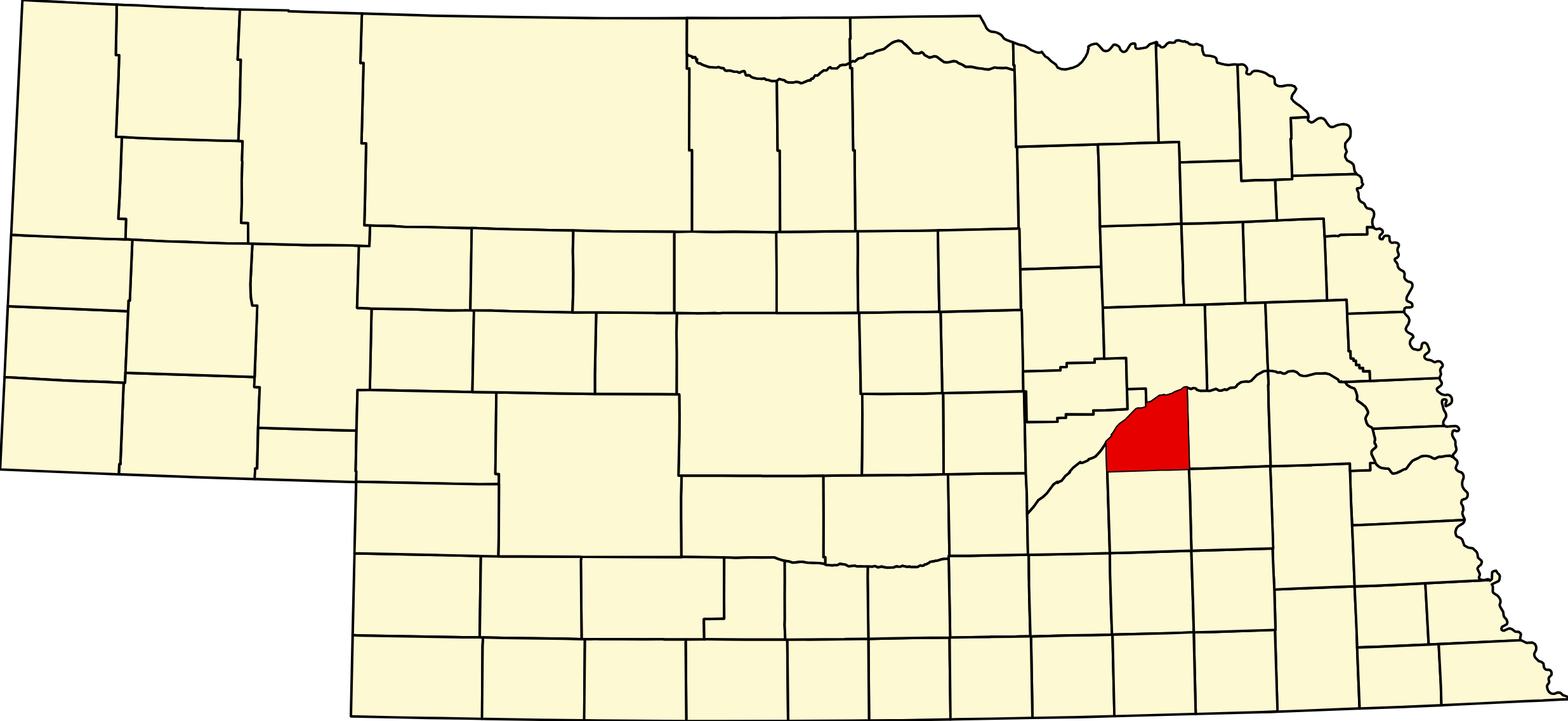
Location: East-central Nebraska
Landscape: Prairie, farmland, and river valleys
Major Highways: Nebraska Highways 66, 92, 81
Adjacent Counties:
Platte (N),
Butler (E),
Seward (SE),
York (S),
Hamilton (SW),
Merrick (W)
Culture & Landmarks
- Polk County Courthouse (Osceola) – Historic courthouse built in 1921.
- Stromsburg Swedish Heritage Park – Celebrates the town’s Scandinavian roots.
- Osceola Historical Museum – Preserves pioneer and local history.
Notable Communities
- Osceola – County seat and civic center with historic charm.
- Stromsburg – Known as the “Swede Capital of Nebraska.”
- Shelby, Polk, Hordville – Small towns with strong agricultural roots and community pride.
Events & Festivals
- Stromsburg Swedish Festival – Parade, music, and cultural celebration.
- Polk County Fair – Livestock shows, exhibits, and entertainment.
- Osceola Summer Days – Family fun and community gathering.
Natural Attractions & Recreation
- Prairie Trails – Walking, birdwatching, and scenic drives.
- Community Parks – Playgrounds and picnic areas in Stromsburg, Shelby, and surrounding towns.
- Wildlife Viewing – Deer, pheasants, and prairie species across the county.
Living in Polk County
Polk County offers a peaceful rural lifestyle with strong community ties and a proud cultural legacy. Osceola anchors the county with services and events, while towns like Stromsburg and Shelby preserve the region’s agricultural and Scandinavian traditions. With its festivals, trails, and welcoming spirit, Polk County is a proud part of Nebraska’s east-central corridor.
Polk County at a Glance
Polk County, Nebraska — the boundaries were drawn on 26 January 1856, but the land was folded into a larger Butler County until a special election created present-day Polk, organised 6 August 1870. Named for James Knox Polk, eleventh president. The officials elected that August had no courthouse and did business from their own front rooms; Osceola was chosen county seat by a vote of the residents in October 1871. The first frame courthouse burned in 1881, taking many of the county’s records with it — commissioners hired an indexer to reconstruct the deeds and mortgages from scratch. The present courthouse, begun in 1921 and dedicated the next year, was the most advanced of its era in the state, with fireproof walls, steel vault doors and a marble interior; it went on the National Register in 1990. Population peaked at 10,817 in 1890 and is near 5,270 today. [nd_county_listings county="polk"] listings across [nd_county_towns county="polk"] towns.
Getting there: US-81 runs north and south through the county, with NE-39, 66, 69 and NE-92 crossing it. The Platte River runs northeast along the northwestern boundary. The Omaha & Republican Valley Railway, part of the Union Pacific system, reached Osceola in 1879 — Shelby is named for one of its officials, and the village of Polk incorporated in 1906 when the rails arrived. Central Time.
Stromsburg is the Swede Capital of Nebraska — declared so by Governor Frank Morrison in 1966, three years after the same governor gave Wilber its Czech proclamation. The townsite was picked in 1870 by Lewis Headstrom, working with a company out of Galva, Illinois, and settled by Swedes from Ockelbo by way of Illinois; the name is the last syllable of Headstrom’s own plus -burg, glossed on the state historical marker as “village on the hill.” It was laid out with its businesses ringing a central square set aside as a city park, and that square is still the town — 1880s brick commercial buildings, brick streets, the old Opera House now the Viking Center, and a 1918 Carnegie library. The Swedish Festival comes in June with maypole dancing, a royal coronation, a parade, live Viking demonstrations and Swedish food in “Grandma’s Kitchen”; Swedish Steel, billed as the largest metal-art event in Nebraska, comes in May.
For visitors: the Stromsburg city square and its brick streets; the Viking Center and the Carnegie library; the restored 1929 Civic Center, which is also the town cinema; Swedish potato bologna and lingonberries at the hometown market; the Charles H. Morrill Homestead and the Victor E. Wilson House, both on the National Register; and the 1922 Polk County Courthouse at Osceola. Buckley Park in Stromsburg has three picnic pavilions, a heated pool, sand volleyball and RV camping with electrical hookups, and the short lighted Two Parks Trail links it to the city square. There is no state park, state recreation area or NRD lake in Polk County — it is a county of towns rather than of public water.
Governors, but read the fine print. Osceola and Polk County were home to three Nebraska governors — Albinus Nance, John H. Mickey and Ashton Shallenberger — though none of the three was born here; Mickey’s house in Osceola is on the National Register. The county’s own native governor served another state: Stanley K. Hathaway (Osceola, 1924), Governor of Wyoming 1967–75 and then U.S. Secretary of the Interior under Gerald Ford. Also born at Osceola, John Archer (born Ralph Bowman, 1915), who played Lamont Cranston on radio’s The Shadow from 1944 and turned up in more than fifty films; and at Stromsburg, Lynn Boden (1953), the thirteenth overall pick in the 1975 NFL draft.