
Village · Clay County · Population 35 (2020 census) · ZIP 68975 · Founded 1882 · Peak population 148 (1930)
About Saronville
Saronville is a village of 35 people (2020) in Clay County, at 1,749 feet, reached by Spur 18G from US 6; it is about 4 miles west of Sutton and 8 miles northeast of Clay Center. Saronville is on Central Time.
History
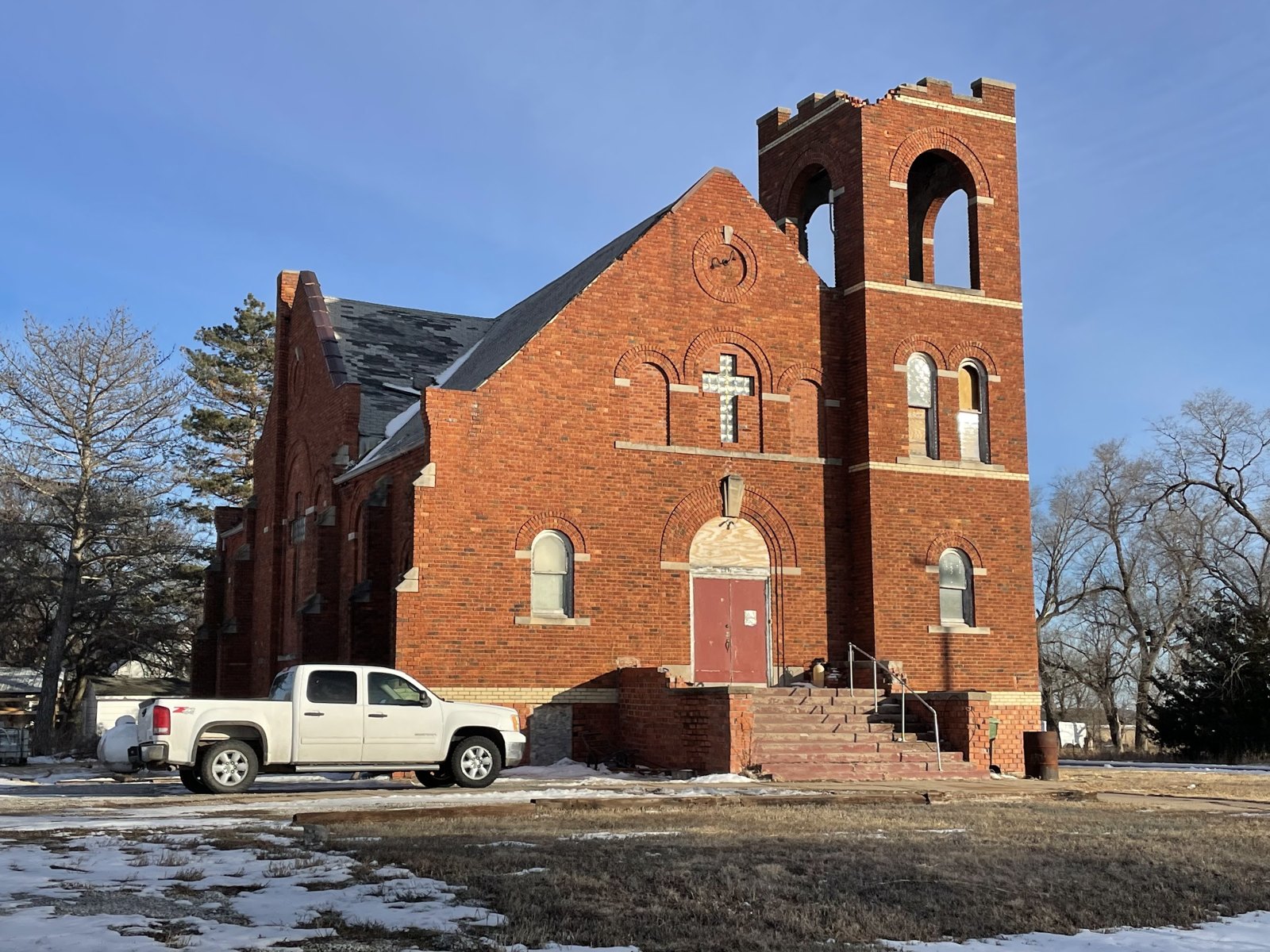
Swedish farmers organized the Saron Evangelical Lutheran Church in 1872; Rev. Haterius named it for Saron, a place in Sweden, and its records, kept in Swedish until 1932, are at History Nebraska. The town followed in 1882, when the Burlington main line reached it, and the post office took the church’s name. In 1890 Saronville had about 125 people; it peaked at 148 in 1930. A Methodist congregation also kept records here from 1875 to 1995.
Highways and trails through Saronville
| Route | One way | Other way |
|---|---|---|
| US 6South of the village (Spur 18G) | East to Sutton | West to Harvard and Hastings |
Nearby towns
| Sutton | about 4 mi east | US 6 |
| Clay Center | about 8 mi southwest | US 6 and NE 14 |
| Harvard | about 8 mi west | US 6 |
| Grafton | about 12 mi east | US 6 |
| Fairfield | about 15 mi southwest | NE 14 |
| Inland | about 15 mi west | US 6 |
Schools and health care
Schools: Sutton Public Schools, in Sutton
Health care: Sutton Community Home, Sutton (nursing home); nearest hospital: York General, York, about 22 mi
Sources: U.S. Census; Wikipedia; Clay County (claycounty.ne.gov); City of Sutton; Andreas, History of the State of Nebraska (1882); Johnson, History of Nebraska (1880); Nebraska State Gazetteer (1890–91); NEGenWeb Clay County; Newberry Library county atlas; National Register (NRHP nominations); History Nebraska; HMdb; Nebraska Game and Parks; U.S. Fish and Wildlife Service (Rainwater Basin WMD); USDA-ARS; SABR; Visit Nebraska; SchoolDigger. Distances marked "about" are straight-line estimates.
Saronville Businesses & Places
3 listings in Saronville.
Click a category to see the businesses.
Community & Faith (2)
- Saron Lutheran Cemetery — Cemeteries
- Saronville Cemetery — Cemeteries
Government & Resources (1)
- Saronville Village Office — City Hall